Raising livestock in a hot, humid climate presents unique challenges, but some animals are naturally better suited to these conditions than others. For farmers, homesteaders, and small acreage owners in Central Florida, Katahdin sheep have become a top choice—and for good reason. Known for their adaptability, parasite resistance, and low-maintenance care, Katahdin sheep consistently perform well in warm climates like Lakeland’s. Managing parasites and insects is also critical in this region, which is why many property owners work alongside Lakeland Pest Control to help reduce pest pressure around barns, pastures, and living areas.
Understanding why Katahdin sheep thrive in this environment can help both new and experienced owners make confident, informed decisions. From heat tolerance to grazing efficiency, these hair sheep offer several advantages that make them especially well suited for Florida’s climate. When combined with good pasture management and support from Lakeland Pest Control, raising Katahdin sheep in Central Florida can be both practical and rewarding.
Lakeland’s Climate: A Unique Livestock Environment
Lakeland experiences long, hot summers, high humidity, and mild winters. Average summer temperatures often reach into the 90s, with humidity levels that can stress many traditional livestock breeds. Rainfall is frequent, especially during the summer months, creating lush pastures but also increasing parasite pressure and hoof health risks.
These conditions can be difficult for wool sheep, which are prone to overheating, parasite overload, and moisture-related health issues. Katahdin sheep, however, are built differently—and that difference makes all the impact.
Hair Sheep Advantage: No Wool, Less Heat Stress
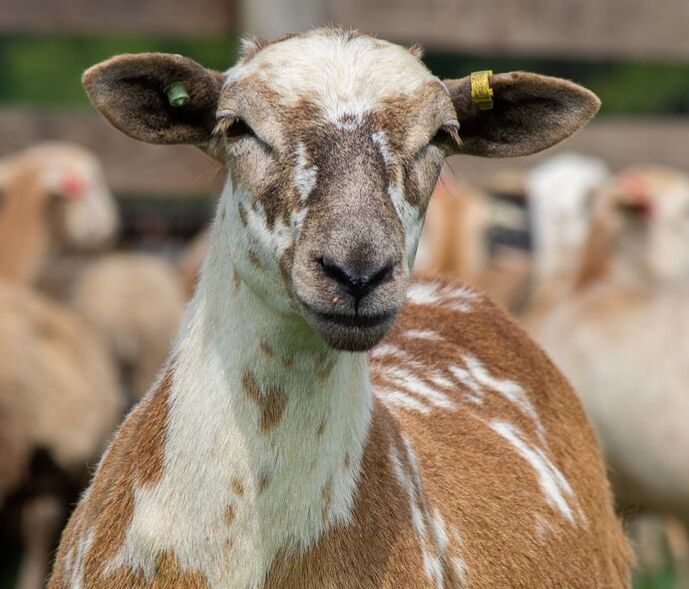
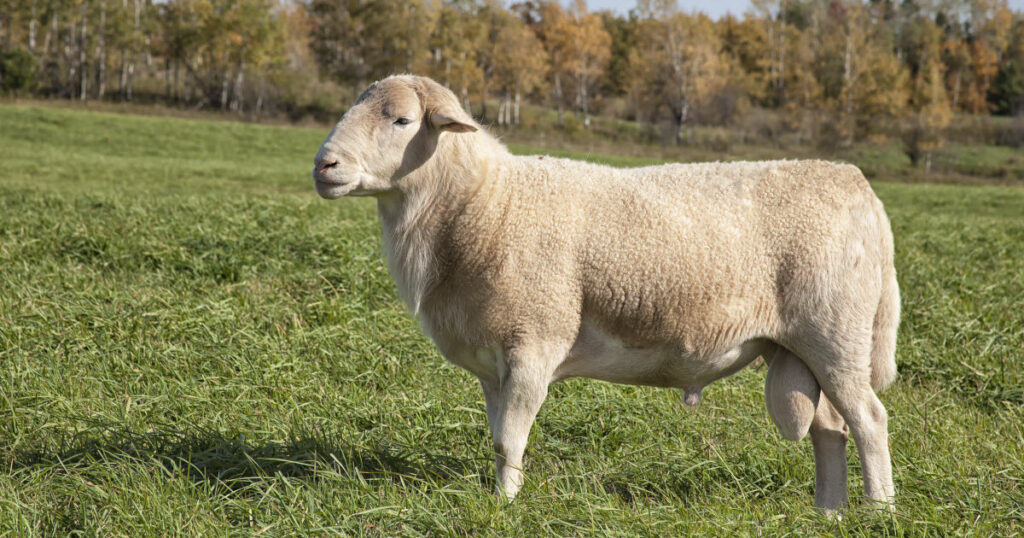
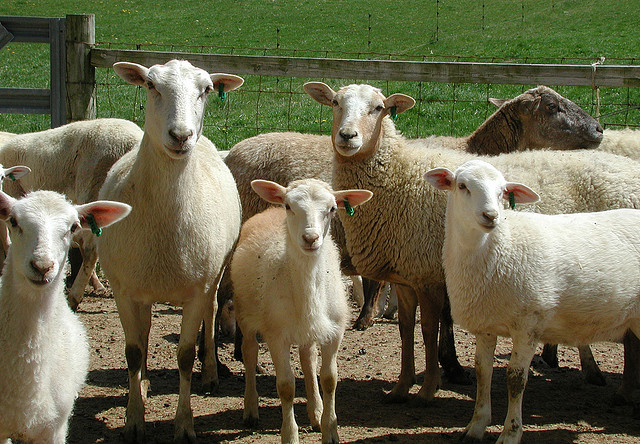
One of the most significant reasons Katahdin sheep thrive in warm climates is that they are a hair sheep breed, not a wool breed. Instead of producing a heavy fleece, Katahdins grow a hair coat that naturally sheds as temperatures rise.
This natural shedding process allows Katahdin sheep to regulate their body temperature more effectively than wool sheep. In Lakeland’s heat and humidity, this means:
- Reduced risk of heat stress
- No need for annual shearing
- Better overall comfort during hot months
Without a dense fleece trapping heat and moisture, Katahdins stay cooler and cleaner, which directly supports better health and productivity.
Strong Parasite Resistance in Humid Conditions
High humidity and warm temperatures create the perfect environment for internal parasites, particularly gastrointestinal worms. Parasites are one of the biggest challenges for sheep producers in Florida, and unmanaged infestations can lead to anemia, weight loss, and even death.
Katahdin sheep are widely recognized for their natural parasite resistance, especially compared to many wool breeds. While no sheep is completely parasite-proof, Katahdins often:
- Maintain healthier FAMACHA scores
- Require fewer chemical deworming treatments
- Recover faster when parasite loads increase
This resilience makes them far more manageable in Lakeland’s parasite-heavy environment and aligns well with rotational grazing and low-input management systems.
Efficient Grazers on Florida Pastures
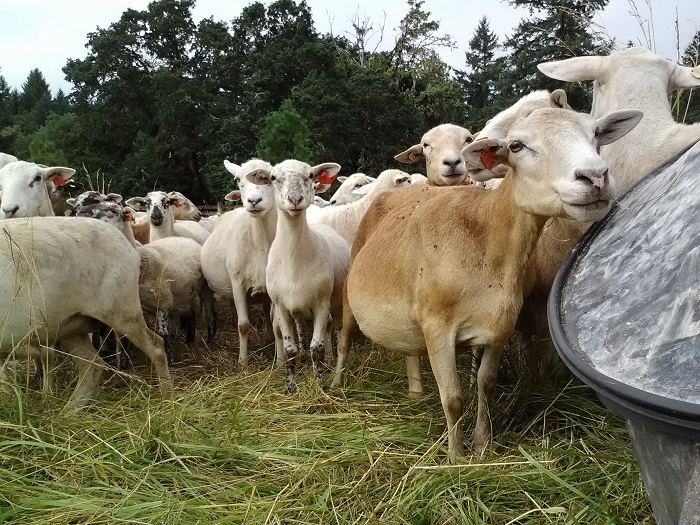
Central Florida pastures are typically composed of warm-season grasses such as Bahia grass, Bermuda grass, and mixed forage species. Katahdin sheep are excellent foragers and adapt well to these pasture types.
They efficiently convert grass and forage into body weight and muscle, even in conditions where forage quality fluctuates throughout the year. Their grazing habits also make them ideal for:
- Small acreage properties
- Mixed-species grazing systems
- Pasture maintenance and weed control
Because Katahdins do well on forage-based diets, they fit naturally into Florida’s grass-growing seasons without requiring excessive supplemental feeding.
Heat Tolerance and Adaptability
Katahdin sheep were developed with adaptability in mind. Their genetics include influences from breeds suited to hot, challenging environments, which contributes to their ability to handle temperature extremes.
In Lakeland’s climate, this adaptability shows up in several ways:
- Consistent appetite during warm weather
- Continued activity even during hot days
- Lower stress levels compared to less heat-tolerant breeds
When provided with shade, fresh water, and proper pasture management, Katahdin sheep remain productive and comfortable throughout Florida’s long summers.
Lower Maintenance for Florida Sheep Owners
One of the most appealing aspects of raising Katahdin sheep in Lakeland is their low-maintenance nature. Florida’s climate already demands careful management, and choosing a breed that requires less intervention can make a significant difference.
Katahdin sheep typically require:
- No shearing
- Less frequent hoof trimming (with good pasture conditions)
- Fewer parasite treatments
- Minimal shelter in mild winters
This makes them an excellent choice for beginner sheep owners, homesteaders, and those looking to raise livestock without intensive labor demands.
Hoof Health in Wet Conditions
Frequent rain and moist ground can increase the risk of hoof problems in sheep. While no breed is completely immune, Katahdin sheep tend to have strong hooves that hold up well when managed properly.
Good drainage, rotational grazing, and regular inspections help prevent issues such as foot scald or hoof rot. Because Katahdins are active grazers and maintain good mobility, they often experience fewer chronic hoof problems than heavier, wool-coated breeds.
Ideal for Meat Production in Warm Climates
Many Lakeland-area sheep owners raise Katahdin sheep for meat production. Katahdins are known for producing lean, mild-flavored lamb that performs well on pasture-based systems.
In Florida’s climate, they offer:
- Steady growth rates
- Good carcass quality
- Efficient feed conversion on forage
Their ability to thrive without heavy grain supplementation makes them a practical and economical option for local meat production.
Well-Suited for Small Farms and Homesteads
As Central Florida continues to grow, many residents are turning to small-scale farming and homesteading. Katahdin sheep fit well into this lifestyle due to their manageable size, calm temperament, and adaptability.
They are often raised successfully on:
- Hobby farms
- Acreage properties
- Family homesteads
- Educational farms
Their ease of care and resilience make them approachable for owners who may be balancing livestock with full-time work or other responsibilities.
Lakeland’s warm, humid climate presents challenges for livestock, but it also creates opportunities for breeds that are well adapted to these conditions. Katahdin sheep stand out as a resilient, low-maintenance option that thrives where many other sheep struggle.
With their natural shedding coats, parasite resistance, heat tolerance, and efficient grazing habits, Katahdin sheep align perfectly with Central Florida’s environment. For anyone considering sheep in the Lakeland area, Katahdins offer a practical, sustainable, and rewarding choice.